

 By Dina Anderson
 June 09, 2025


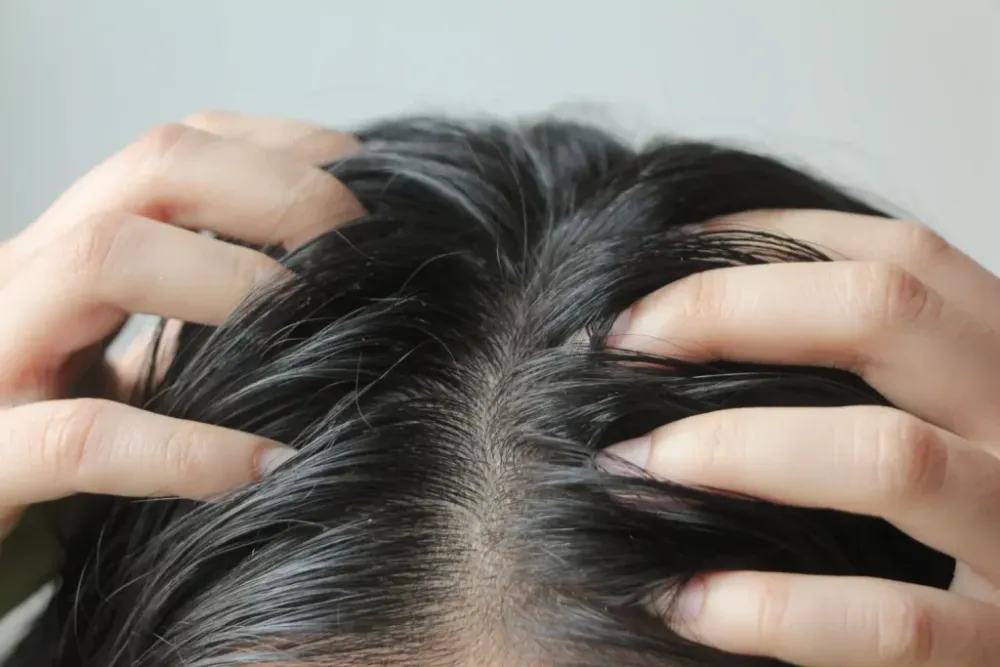
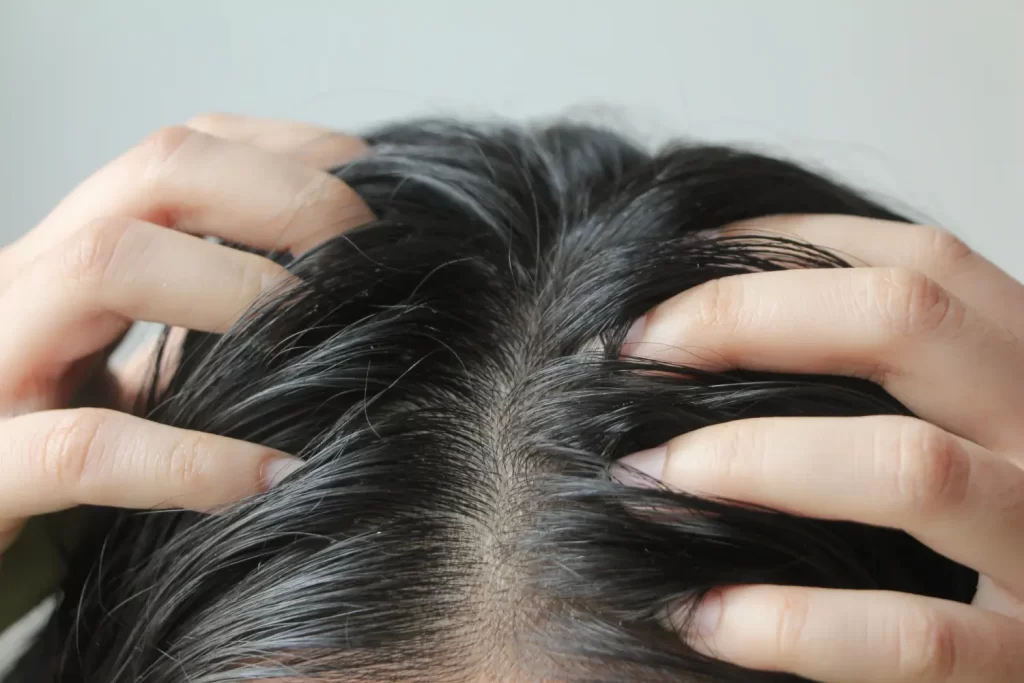
You know that dry scalp and thinning hair you’ve been dealing with? Well, it could be due to menopause. Menopause brings many changes to a woman’s body, and the scalp and hair are no exceptions.
If you’re noticing dryness, thinning, or scalp sensitivity, you’re not alone—these are common challenges that require a gentle and targeted hair care routine for menopausal scalp health. What does that look like? Well, let’s look into some practical steps to restore balance and maintain vibrant hair during this transition.
Menopausal Scalp Changes
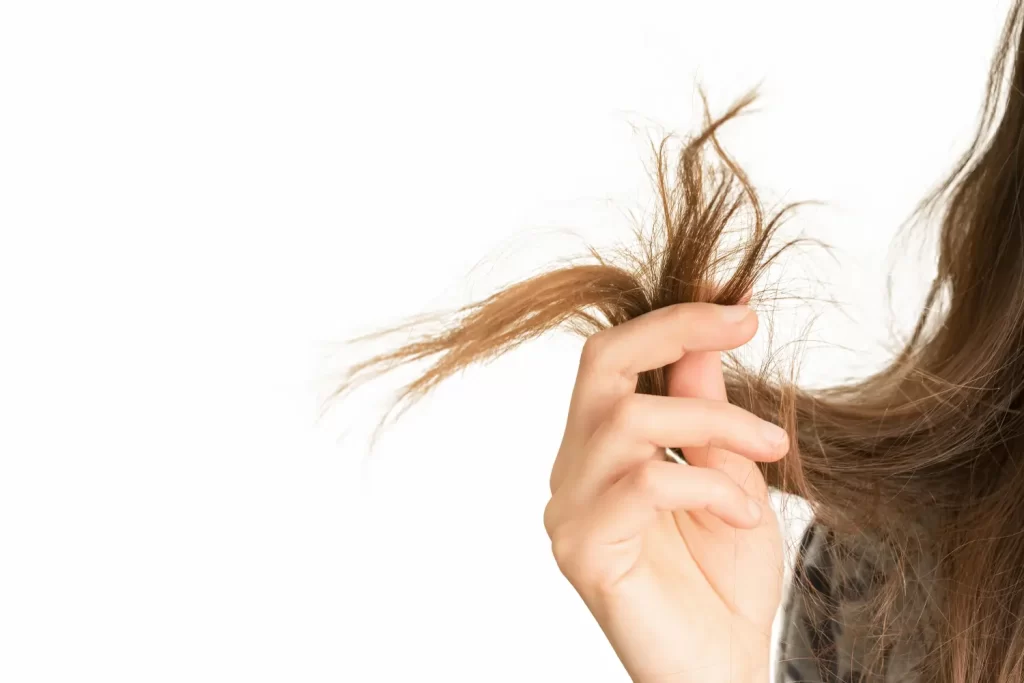
Menopause triggers significant hormonal shifts, especially the decline of estrogen, which plays a crucial role in maintaining healthy hair and scalp. This hormonal change often leads to a drier, more sensitive scalp and noticeable hair thinning or breakage. Women may experience increased scalp itchiness, flakiness, or irritation during this time.
These changes can make the scalp feel uncomfortable and affect hair texture, leaving it more fragile and less voluminous. Understanding these menopausal scalp changes is the first step in creating a hair care routine for menopausal scalp that addresses these unique needs effectively.
Building an Effective Hair Care Routine for Menopausal Scalp
Creating a gentle yet effective hair care routine tailored to menopausal scalp needs is essential for maintaining healthy hair. Here are the key steps to follow:
1. Gentle Cleansing
Use a mild, sulfate-free shampoo designed to cleanse without stripping natural oils. Washing your hair 2-3 times a week helps maintain scalp moisture while removing buildup.
2. Scalp Exfoliation
Exfoliating the scalp once a week can remove dead skin cells and promote better absorption of treatments. Choose a gentle scrub or chemical exfoliant suitable for sensitive scalps.
3. Hydration and Conditioning
Hydrate the scalp and hair with nourishing conditioners or masks that contain moisturizing ingredients. Focus on lightweight formulas that won’t weigh down thinning hair.
4. Scalp Massage and Stimulation
Regular scalp massages improve blood circulation, supporting healthy hair follicles. You can use your fingertips or a scalp massager for a few minutes daily.
5. Protection from Damage
Limit heat styling and harsh chemical treatments that can weaken menopausal hair. Use UV protectants when spending time outdoors to shield hair and scalp from sun damage.
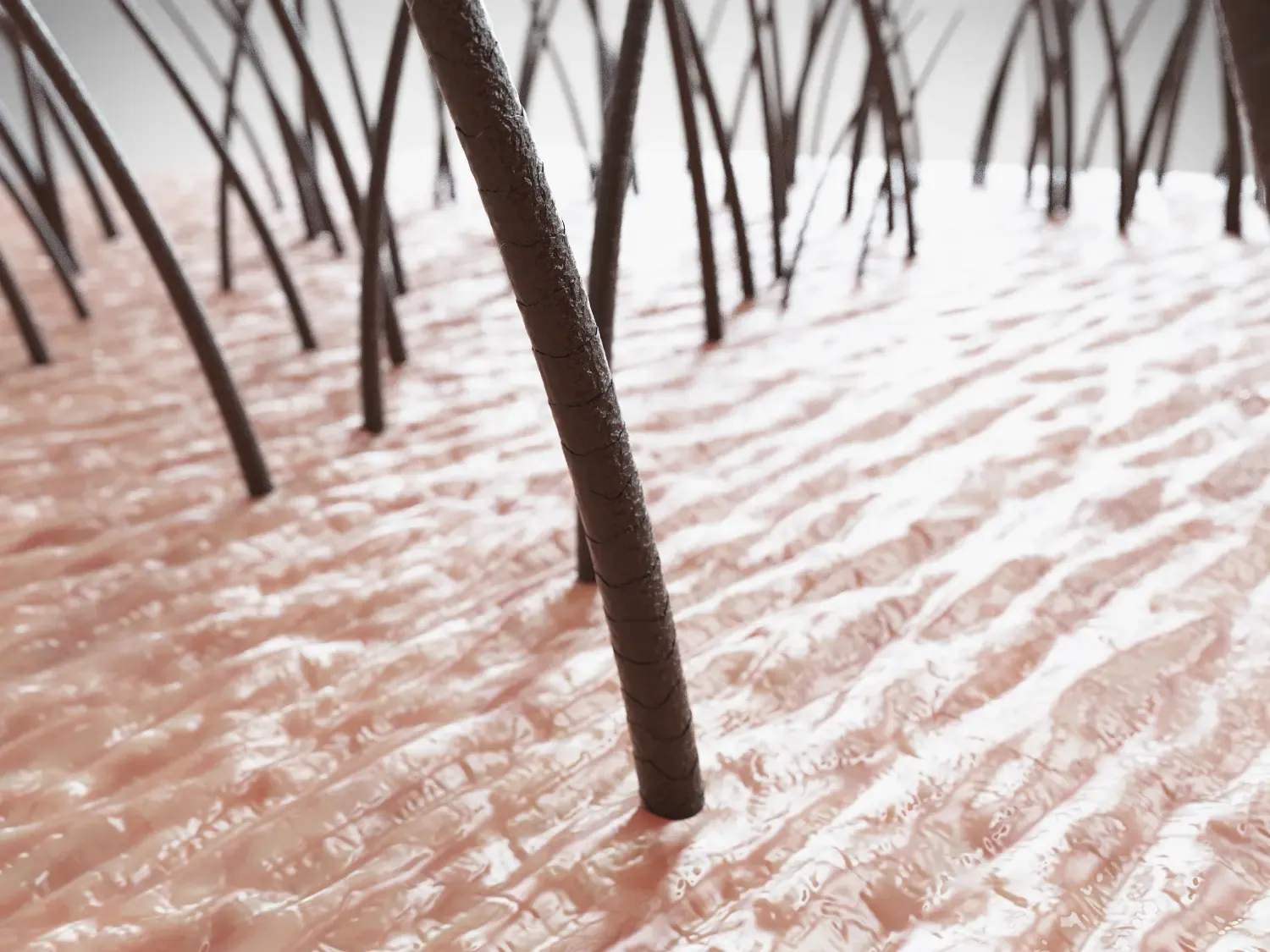
Best Ingredients and Products for Menopausal Hair Care
Choosing the right products is key to supporting a healthy hair care routine for menopausal scalp. Look for ingredients that nourish, hydrate, and strengthen both scalp and hair.
Beneficial Ingredients to Seek:
- Biotin: Supports hair strength and growth.
- Keratin: Helps rebuild damaged hair structure.
- Hyaluronic Acid: Provides deep hydration to the scalp and hair.
- Peptides: Stimulate scalp health and hair follicle function.
- Natural Oils: Such as argan, jojoba, and coconut oil to moisturize and soothe dryness.
Ingredients to Avoid:
- Harsh sulfates: Can strip natural oils, worsening dryness.
- Alcohols: Some types can dry out the scalp and hair.
- Heavy silicones: May build up on the scalp and weigh hair down.
Consider shampoos, conditioners, serums, and scalp treatments formulated with these beneficial ingredients to keep your scalp balanced and hair resilient through menopause.
Lifestyle Tips to Support Scalp and Hair Health During Menopause
Beyond a targeted hair care routine, your daily habits play a powerful role in maintaining menopausal scalp health and hair vitality.
Nutrition Essentials
Eating a balanced diet rich in vitamins like A, C, D, and E, as well as minerals such as zinc and iron, supports hair growth and scalp health. Staying well-hydrated is equally important to keep the scalp moisturized from within.
Stress Management
Chronic stress can worsen hair thinning and scalp irritation. Incorporating relaxation techniques like meditation, yoga, or deep breathing can help reduce stress levels and protect hair health.
Regular Exercise and Sleep
Exercise improves blood circulation, which benefits the scalp and hair follicles. Quality sleep supports overall hormonal balance, essential during menopause for healthy hair growth.
When to Consult a Dermatologist or Trichologist
While a tailored hair care routine and lifestyle changes can greatly improve menopausal scalp health, some situations may require professional evaluation. If you experience severe hair thinning, persistent scalp inflammation, intense itching, or sudden hair loss, it’s important to seek expert advice.
A dermatologist or trichologist can diagnose underlying conditions like hormonal imbalances, scalp infections, or other skin disorders. They may recommend treatments such as medicated shampoos, topical solutions, laser therapy, or hormonal treatments that go beyond at-home care.
Early consultation ensures that you address scalp and hair concerns promptly and effectively, helping you maintain the healthiest hair possible through menopause.
Conclusion
Menopause brings unique challenges to scalp and hair health, making a specialized hair care routine for menopausal scalp essential. By understanding hormonal changes, adopting gentle cleansing, hydration, and scalp stimulation steps, and choosing the right products, you can support healthier, more resilient hair. Complementing your routine with good nutrition, stress management, and professional guidance when needed ensures your hair stays vibrant throughout this transition.